Doctor's Guide: 10 Research-Backed Ways to Recover from Colds Faster
The evidence-based treatments I actually use when I get sick

After my recent post on cold prevention, the same question kept coming up: “Okay, but what about when I’m already sick? What actually helps me get better faster?”

This is exactly what I wanted to figure out when I started medical school. When I’d get sick, being told to “rest and drink plenty of fluids” never felt like enough. And everyone seemed to have their own “remedy” they swore by. I wanted to know which treatments had real evidence behind them, not just what sounded plausible or what the supplement aisle was pushing.
So I went through the research. And I tested the promising approaches on myself whenever I got sick.
Here’s what I found: these aren’t the massive trials used for blood pressure or cholesterol medications. There isn’t huge pharmaceutical money backing cold research, so the studies are smaller. But many show consistent, meaningful benefits. For low-risk and easy interventions, cutting a cold from 7 days to 4 days is a real win. I’ve personally noticed significant benefits using these.
What follows are 10 treatments backed by randomized controlled trials and meta-analyses showing reductions in symptom severity, illness duration, or both. You can try them individually or combine several at once. I typically stack most of these interventions when I feel symptoms starting, and more often than not, it helps me stop things early. I also use several preventively during high-risk periods.
One important note: if you have medical conditions or take other medications, check with your doctor before starting these, as some can interact with other drugs.
Now let’s get to what actually works.
1. Zinc Lozenges
A 2024 Cochrane review analyzed 34 randomized controlled trials including 8,526 participants across multiple countries. The review examined both prevention and treatment trials, with 19 studies specifically testing zinc for common cold treatment. Most treatment studies used lozenges in various forms (acetate, gluconate, or orotate) at doses ranging from 45 to 276 mg/day.
A separate 2017 meta-analysis specifically on high-dose zinc lozenge trials (>75 mg/day), including 7 trials with 575 participants. This analysis compared zinc acetate versus zinc gluconate formulations and examined dose-response relationships.
Results:
Treatment Effects:
Duration of colds shortened by approximately 2.4 days
Overall reduction in cold duration: 33%
Zinc acetate lozenges: 40% reduction in duration
Zinc gluconate lozenges: 28% reduction in duration
No statistically significant difference was noted between acetate and gluconate formulations
Dose Findings:
Doses of 80-92 mg/day showed 33% reduction in duration
Higher doses (192-207 mg/day) showed 35% reduction
So there is no clear evidence that doses above 100 mg/day provide additional benefit
Side Effects:
Side effects reported were typically quite mild, and included more mouth dryness, constipation, nausea, taste aberrations, oral irritation, diarrhea
The Protocol:
Start zinc lozenges within 24 hours of first cold symptoms:
80-90 mg of elemental zinc per day appears to be the optimal dose
Split this up in lozenges every few hours
Choose either zinc acetate or zinc gluconate lozenges (both effective)
Acetate may be better but above results weren’t statistically significant
Dissolve lozenges slowly in your mouth rather than chewing or swallowing
Continue until symptoms resolve (typically 5-7 days)
Seems safest to try and avoid lozenges containing citric acid, mannitol, or sorbitol, as these might bind zinc ions and reduce effectiveness but overall evidence isn’t clear at this point
Why It Works:
Zinc ions released in the throat appear to have direct antiviral effects in the upper respiratory tract. The mechanism likely involves zinc’s ability to inhibit viral replication and reduce inflammatory signaling. The key is maintaining elevated zinc levels in the oropharyngeal region where cold viruses replicate, which is why the lozenge form (allowing slow dissolution) appears more effective than swallowed tablets or capsules.
2. Saline Nasal Irrigation + Gargling

A 2019 pilot randomized controlled trial in Edinburgh recruited 68 healthy adults within 48 hours of developing cold symptoms. Participants were randomized to either hypertonic saline nasal irrigation and gargling (HSNIG) or standard care. The intervention group used 3% hypertonic saline solution and maintained symptom diaries for up to 14 days while collecting nasal swabs to measure viral shedding.
Results:
Clinical Benefits:
Duration of illness shortened by 1.9 days (22% reduction)
Over-the-counter medication use reduced by 36%
Household transmission to other family members reduced by 35%
Symptom-Specific Reductions:
Runny nose: 1.8 days shorter
Blocked nose: 2.7 days shorter
Sneezing: 1.5 days shorter
Cough: 2.4 days shorter
Hoarseness: 1.7 days shorter
Viral Shedding:
73% of intervention group had significant reduction in viral load compared to 43% in control group
The Protocol:
Start right when you notice cold symptoms. The authors published their entire protocol here:
Making the Solution:
Mix 3 teaspoons (approximately 14g) of sea salt with 500mL (about 2 cups) of boiled, cooled water to create a 3% hypertonic saline solution
Critical safety note: Always use distilled water or water that has been boiled thorougly and then cooled. Tap water can contain free-living amoeba that cause serious infections. This is non-negotiable.
You can prepare this fresh each time or make a larger batch in a clean, glass-lined flask for use throughout the day (make fresh solution daily)
Performing HSNIG:
Pour approximately 20mL of the solution into a small bowl
Gently sniff the solution into your nostrils to irrigate nasal passages
Gargle with the same solution for 15-20 seconds
Perform this procedure 3-6 times daily (or more if needed based on symptom severity)
On days 1-2 when symptoms are worst, you may need to do this more frequently. As symptoms improve, reduce frequency
I personally prefer using a neti pot or other similar devices as it helps me clear out more mucous, but it of course requires more cleaning and can take some getting used to
Why It Works:
Hypertonic saline appears to work through multiple mechanisms. First, it physically washes away viral particles from the nasal passages and throat before they can establish deeper infection. Second, the chloride ions in salt water might augment the body’s innate antiviral response by increasing production of hypochlorous acid, a natural antimicrobial compound.
3. N-Acetylcysteine (NAC)
A 1997 randomized, double-blind, placebo-controlled study across 20 Italian centers examined whether N-acetylcysteine (NAC) could prevent influenza and influenza-like illness during winter. The trial enrolled 262 subjects, predominantly elderly (78% were ≥65 years old) and many with chronic non-respiratory diseases. Participants took either NAC or placebo for 6 months throughout the cold season.
The dose was 600 mg twice daily (1,200 mg total per day)
Results:
Prevention of Symptomatic Disease:
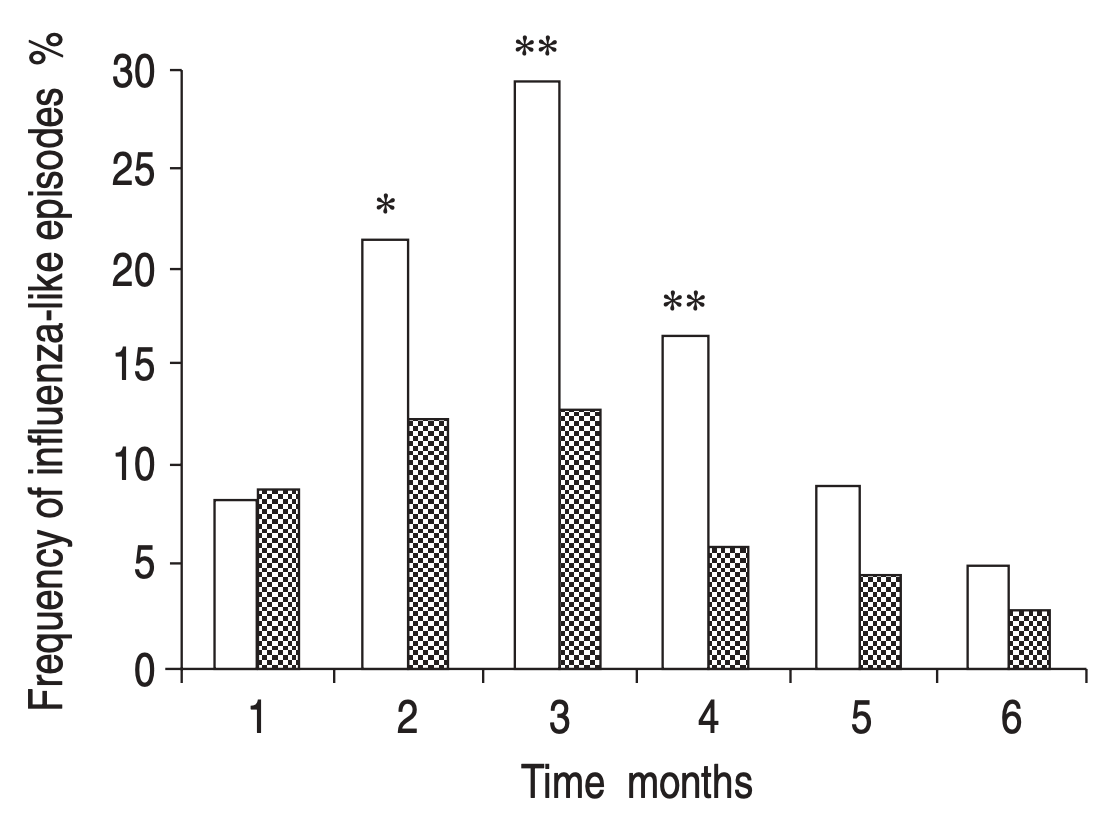
Overall influenza-like episodes reduced from 51% to 29% (p=0.0006)
Greatest protection during peak season (December-March)
Severity Reduction:
Mild cases: 72% in NAC group vs 48% in placebo (p=0.06)
Moderate cases: 26% in NAC group vs 47% in placebo (p=0.02)
Days confined to bed significantly were shortened throughout winter months (roughly 1-2 days with NAC vs 2-3+ days with placebo)
Symptoms:
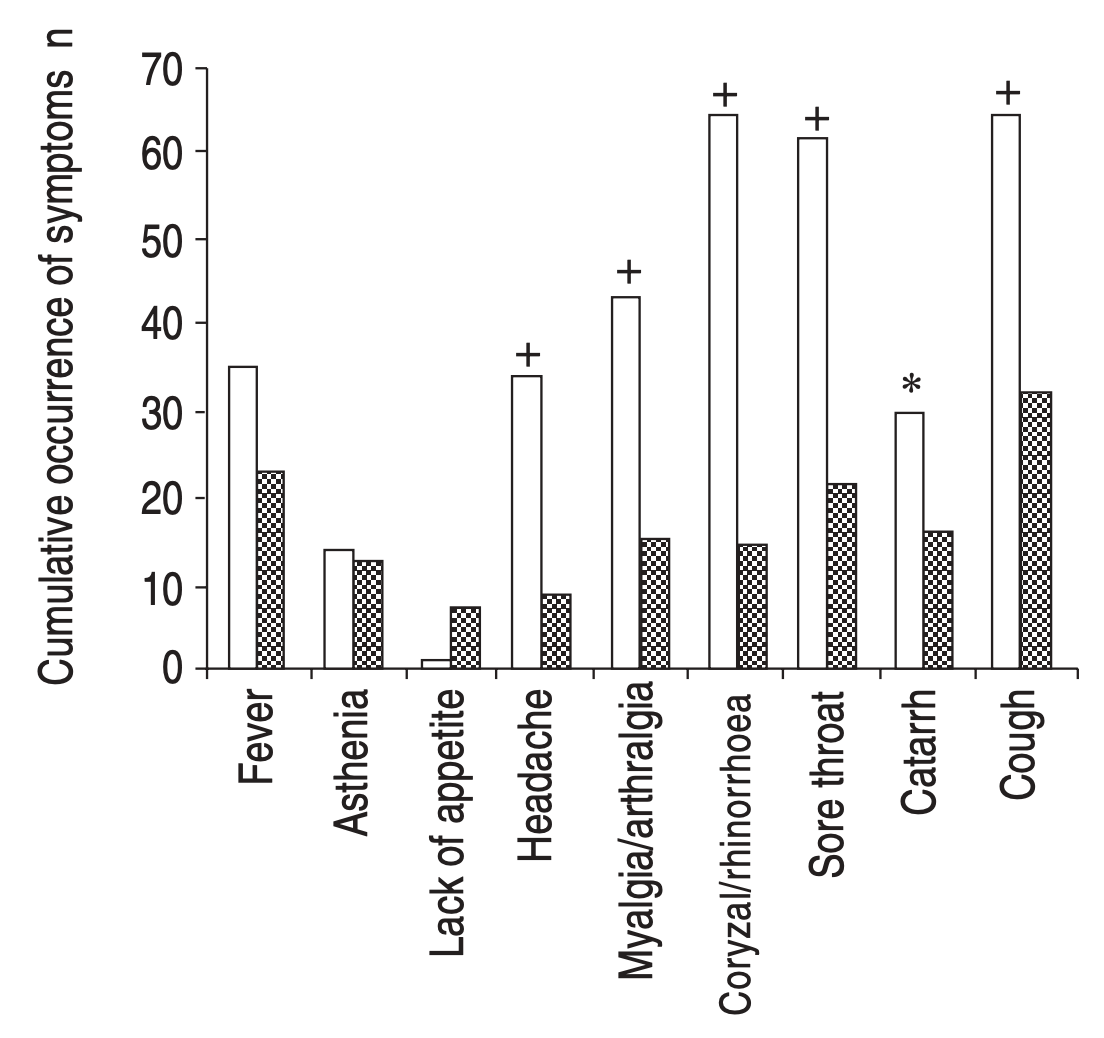
All symptoms were significantly reduced in the NAC group:
Local respiratory symptoms were significantly reduced, such as runny nose, sore throat, cough, congestion (p<0.0001)
Systemic symptoms (headache, muscle aches) were also improved: p<0.0001
Key Finding on Infection vs. Disease:
Viral infection rates (seroconversion to A/H1N1) were similar in both groups (24% placebo, 29% NAC)
There was a large protective effect. Among infected individuals, only 25% developed symptomatic disease in the NAC group versus 79% in the placebo group (p<0.0001)
This means NAC didn’t prevent infection but prevented the infection from becoming symptomatic.
Side Effects:
NAC was well tolerated, where only 9% reported adverse events (vs 5% in placebo, not significant)
The Protocol:
For preventive use during cold season, or when sick:
Take 600 mg of N-acetylcysteine twice daily (morning and evening)
Total daily dose: 1,200 mg
Duration: Throughout cold season (typically 5-6 months from October/November through March/April) or when sick
Take with meals for best tolerance
Why It Works:
N-acetylcysteine supplies the cysteine needed to produce glutathione, a key antioxidant that helps control the oxidative stress driving cold symptoms. It also lowers pro-inflammatory cytokines such as TNF and IL-6 and improves cell-mediated immunity. Indeed, this trial showed a progressive shift from anergy (no immune response) to normoergy (normal responsiveness) over six months. This restoration of immune function could be especially important in elderly and chronically ill patients. NAC didn’t stop infections from occurring, but by stabilizing the immune response it reduced the chance that an infection became symptomatic.
4. Honey
A 2020 systematic review and meta-analysis examined the effectiveness of honey for upper respiratory tract infection symptoms. The review included 14 randomized controlled trials with a total of 1,345 patients. The trials used various types of honey (buckwheat, eucalyptus, citrus, wildflower, and generic honey) at different doses and durations.
Results:
Honey vs Usual Care (most robust evidence):
Overall symptoms improved by about 4 points out of a typical 35-point scale, which is a meaningful difference.
People also coughed less often and less severely. The improvements were moderate in size, large enough that most patients would notice the relief.
Honey vs placebo showed mixed findings (one study with a large benefit, one with none, high heterogeneity), so pooled results were not statistically significant, though individual trials did show benefit.
Honey vs Diphenhydramine (common over-the-counter antihistamine):
Honey was more effective than diphenhydramine. People had about 5/35 points less overall symptoms, and their coughs were both less frequent and less harsh.
Honey vs Dextromethorphan (common cough suppressant):
Honey was as effective as dextromethorphan, showing similar improvements in combined symptoms, cough frequency, and cough severity, with all effect estimates leaning toward honey but not reaching statistical significance.
The Protocol:
Start at the first signs of cold symptoms:
Dosing:
Take 1-2 teaspoons (5-10 mL) of honey, 2–4 times daily.
A single 10-15 mL dose before bed can help with nighttime cough.
How to take it:
Use it straight or dissolve in warm water or tea
Let it coat your throat before swallowing for maximum soothing
For persistent cough in adults, some studies used honey mixed with instant coffee
Important Safety Note:
Never give honey to infants under 1 year of age due to risk of infant botulism
Which type of honey:
The studies used various types including buckwheat, eucalyptus, citrus, and wildflower honey. Most showed benefit regardless of type, though buckwheat honey was used in several positive studies. Any type should be effective.
Why It Works:
Honey works through simple but effective actions. Its thick texture coats and soothes irritated throat tissues, which helps calm the cough reflex. It also shows mild antimicrobial and anti-inflammatory effects in laboratory studies. Together, these soothing and symptom-reducing properties likely explain why honey helps improve cold and flu symptoms.
5. Vitamin C
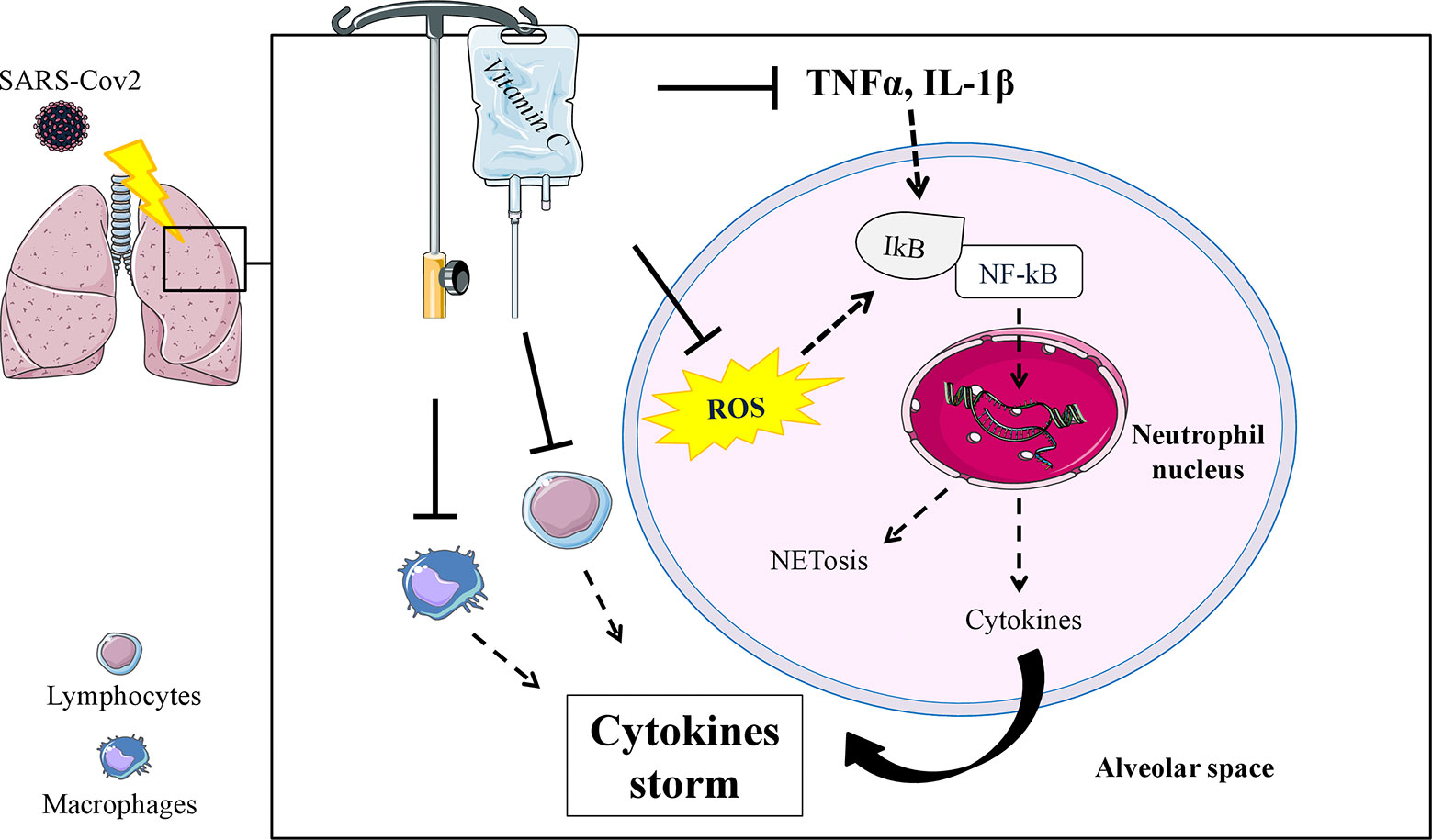
A 2023 meta-analysis examined 10 trials including 15 separate comparisons of vitamin C supplementation for the common cold. The analysis included data from diverse populations including schoolchildren, military recruits, competitive swimmers, and healthy adults. Most trials administered 1-2 g/day of vitamin C for 2-5 months, during which cold episodes were recorded and tracked.
This analysis specifically examined vitamin C’s effect on cold severity rather than prevention or overall duration.
Results:
Severity Outcomes:
Days confined to house or absent from school: 15% reduction
Duration of severe symptoms (fever, chills, malaise): ~60% reduction
Severity measured on symptom scales: 13% reduction
Overall pooled effect on severe cold outcomes: 15% reduction
Key Finding - Differential Effects on Mild vs. Severe Symptoms:
The most important discovery was that vitamin C had dramatically different effects depending on symptom severity:
Severe cold outcomes: 26% reduction
Mild cold symptoms: No significant effect
In other words, vitamin C appears to specifically helps with the more debilitating aspects of colds (the symptoms that keep you home from work or school) without necessarily shortening the total duration of minor symptoms like a runny nose.
The Protocol:
Option 1: Regular Supplementation (if you’re high-risk for frequent colds)
Take 1-2 g of vitamin C daily throughout cold season
Best suited for people who have frequent contact with young children or typically get multiple colds per winter
Continue for the duration of cold season (typically 3-5 months)
Option 2: Therapeutic Use (at first cold symptoms)
Take 1-2 g on the first day of symptoms
Continue with 1 g daily for 5 days total
One trial found this reduced time confined indoors by 25%
Why It Works:
Vitamin C supports immune function through several pathways, including effects on T-cell development and inflammatory signaling. During viral infections, levels of vitamin C in plasma and white blood cells fall, indicating greater physiological use.
6. Pelargonium Sidoides