
Doctor's Guide: 10 Tiny Habits With Outsized Health Payoffs
Huge health benefits for almost no extra time

Today’s most popular health tips constantly seem to require people to add even more to their already packed schedules. More exercise, more classes, or even longer, more drawn-out morning routines.
While in general there are few shortcus in life, some health practices truly require minimal time and effort investment compared to the benefits, and in this post I want to cover 10 of them.
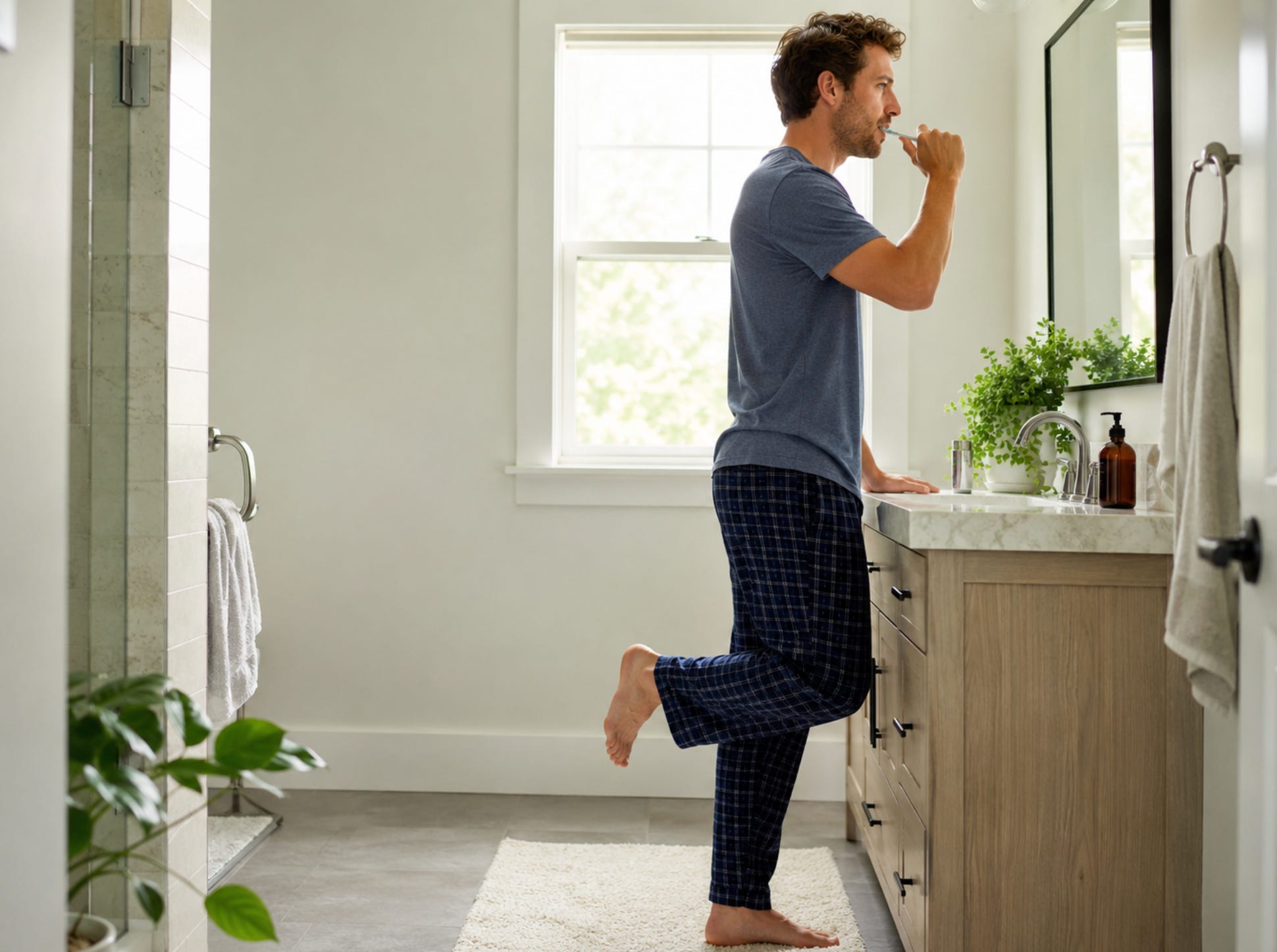
1. Stand on one leg when brushing your teeth
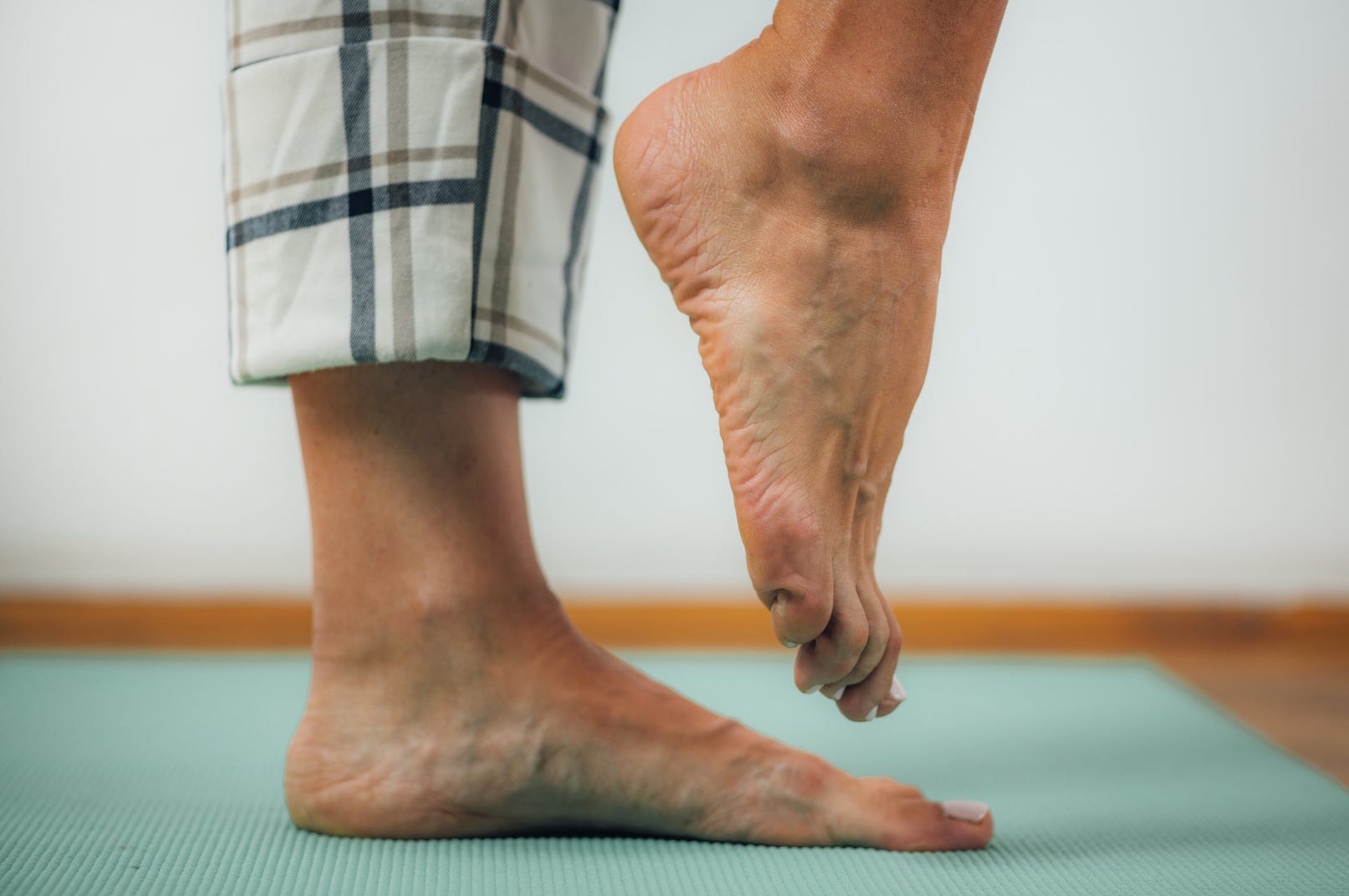
Balance is one of the vital signs that we often ignore until we lose it. In a cohort of 1,702 adults aged 51 to 75 (Araujo et al. 2022), those who could not maintain a one-legged stand for 10 seconds had almost a two-fold risk of dying in the following 7 years, irrespective of their age and other risk factors. While this does not imply causation, the importance of maintaining balance cannot be overstated (I can’t even count the number of times I’ve assessed geriatric patients who have fallen and hurt themselves).
To get better balance, practice standing on one leg for 1-2 minutes every day. When starting, feel free to hold the counter for support.
2. Ride the bus or subway without holding the pole
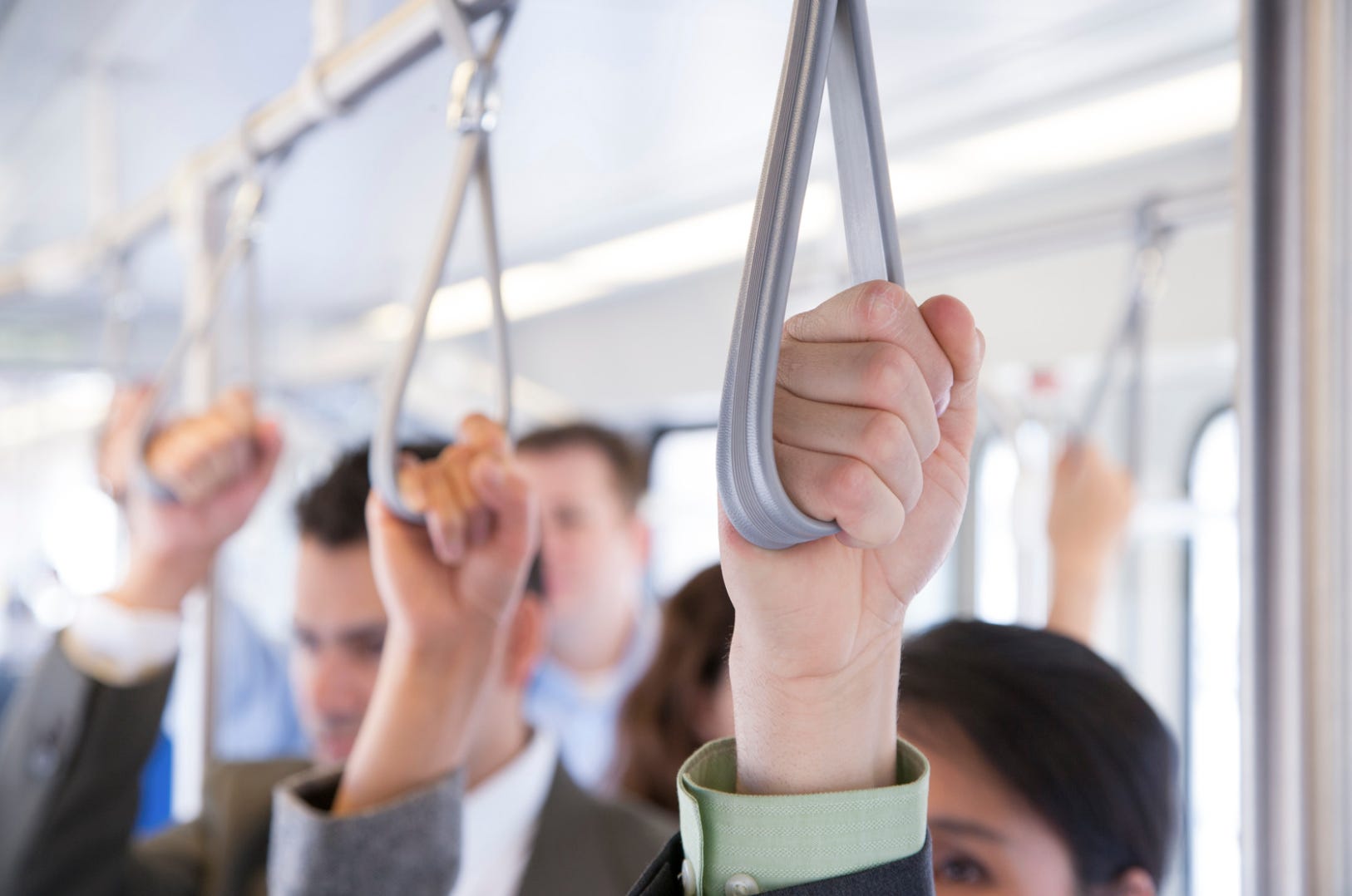
When I first moved to a big city, I was shocked by the amount of balance the subway took. Balance training reduced falls in older adults by 24% according to a Cochrane review (Sherrington et al. 2019).
One easy way to practice balance is on a subway or train (which most people are already taking). Stand with your body unsupported and your feet planted. Make small adjustments to maintain your balance. Hold onto the pole if you sense it is unsafe.
3. Suitcase carry your groceries
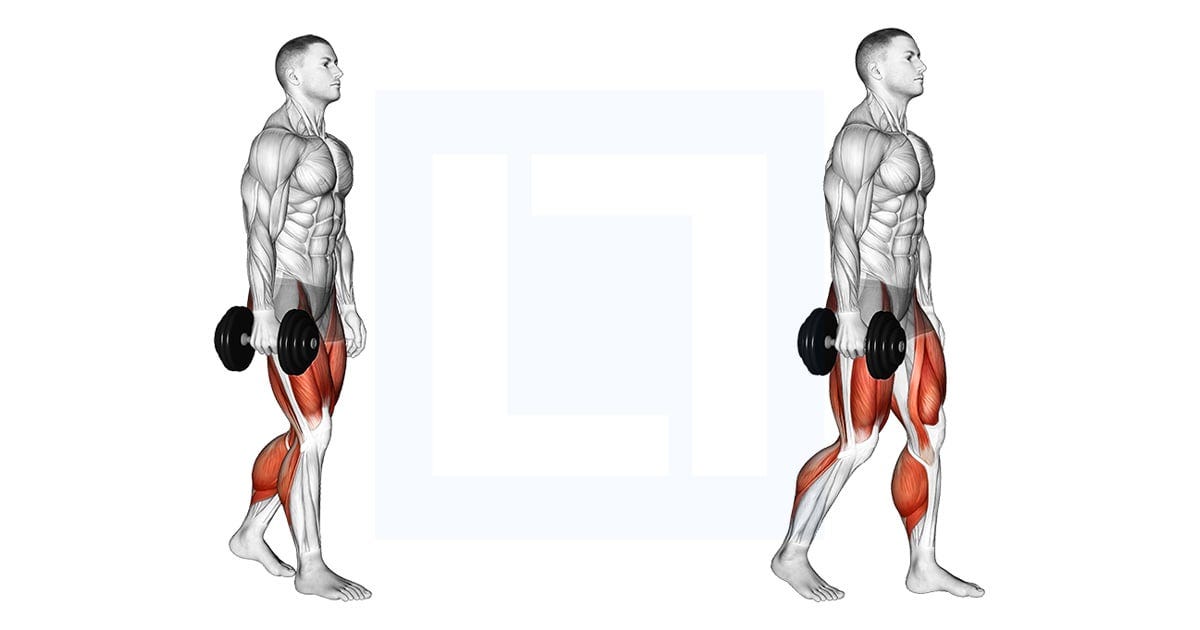
Grip strength and longevity have a strong relationship. In a study of almost 140,000 adults, a 5 kg decrease in grip strength was linked with a 16% increase in risk of death, which surpassed the predictive strength of systolic blood pressure (Leong et al. 2015). While the relationship is likely strongly correlative (with grip strength being a marker of overall strength and muscle mass), doing small tasks each day that improve overall strength is likely to add significant benefit.
A “suitcase carry,” holding several grocery bags in one arm, is great for grip and core strength. Alternate sides.
4. Walk for a few minutes after you eat
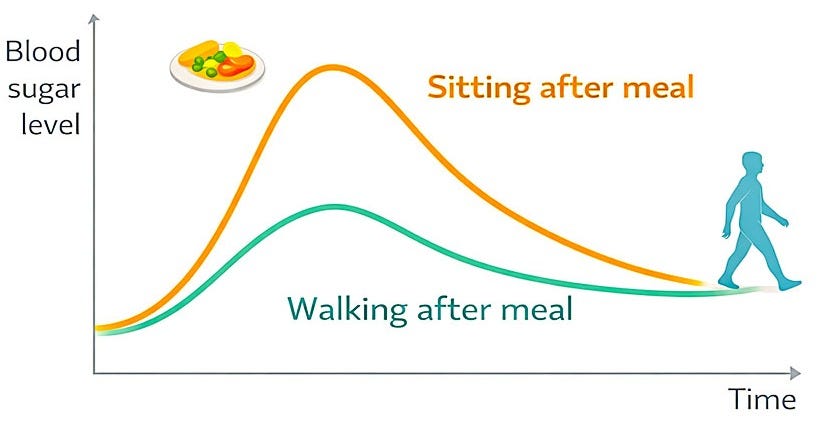
Blood sugar spikes can be substantially mitigated by walking after each meal (Buffey et al. 2022). Muscles rapidly uptake glucose, blunting the usual spike. Just 2 to 15 minutes after eating is highly effective.
5. Wall sit while you read or scroll
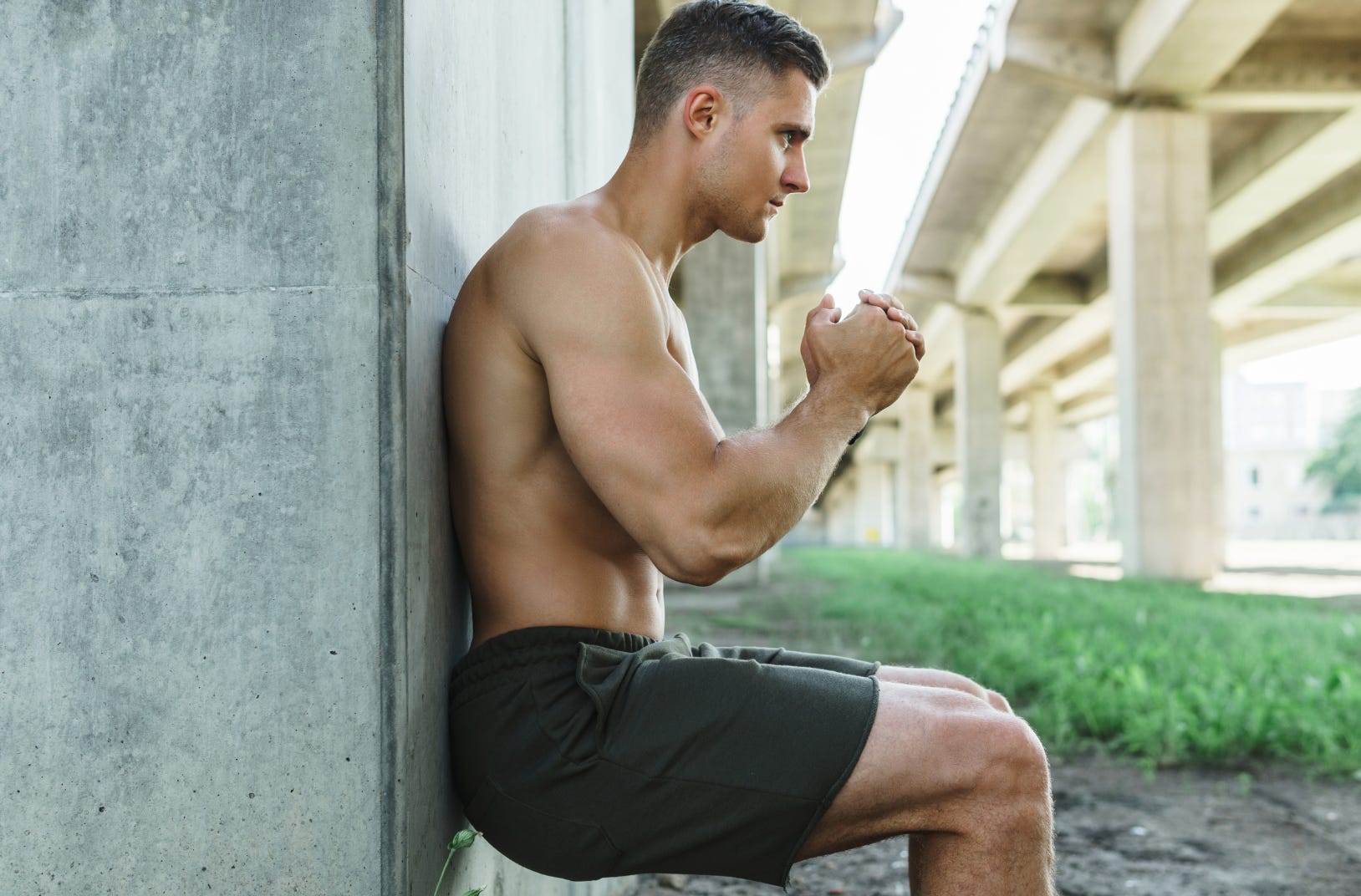
Wall sits are an awesome way to work isometric exercise into your daily routine. Isometric exercises, including wall sits, lower blood pressure more than aerobic or resistance exercises (by about 8/4 mmHg), and wall sits are the most effective of all the isometric exercises (Edwards et al. 2023).
Lean against a wall with your knees bent at 90 degrees. Hold it for as long as you can (and feel free to read or scroll). Aim for two to three rounds.
