
The 100-Hour Week Efficiency Stack
When Every Minute Counts, These Strategies Will Buy You Hours


During my busiest clinical rotation (nine 26-hour call shifts with no sleep in the span of a month) I learned the truth the hard way: productivity isn't about working harder, it's about being strategic. When you're running on a few hours of sleep and still need to write 10 notes, exercise, answer emails, finish a research paper, and remember your mom's birthday, the gap between efficient and inefficient isn't comfort—it's survival.
So I dove into the research and became obsessed with learning how I could truly do more in less time. Could I actually compress 12 hours of work into 8 and still have a life?
Below is what I have found most useful based on what the research actually says. I tested and trialled this through long weeks and sleepless nights where inefficiency meant choosing between eating, exercising and sleeping. But with these, I was still able to do it all.
The Evidence: What Actually Saves Time
1. Single-Task Deep Work: Avoid task switching costs and finish hard things first
Your brain is designed to do one task at a time. I used to do work with my phone beside me, email open, while watching a show in the background. It felt efficient because I was "doing everything at once." Little did I know, it was massively draining my cognitive performance.
Then I read a study about task switching. Switching tasks not only impairs response time by up to 40%, it increases the number of errors people make after they switch tasks.
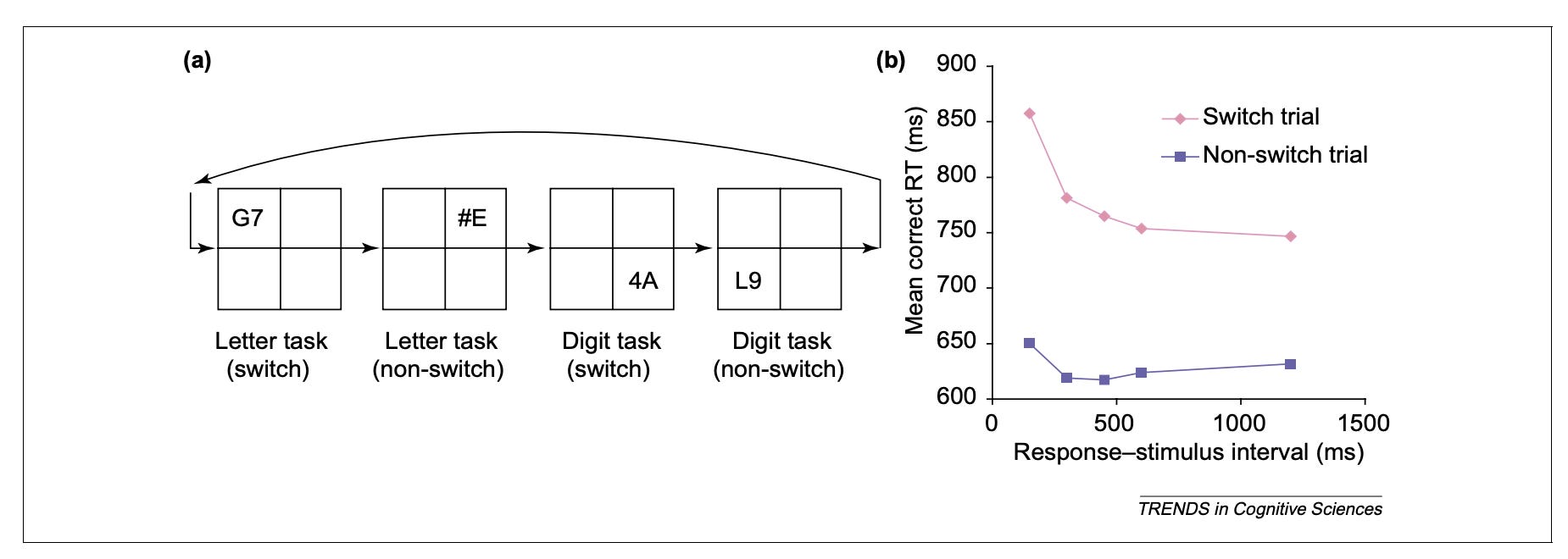
The Science: Your brain has a fixed "switching cost." Every jump between tasks (from working on a paper to switching to answer emails to then answering a phone call) triggers measurable performance drops. Even when you know the switch is coming, the penalty persists.
Although there's no getting rid of a pager at a hospital, implementing this principle dramatically improved my efficiency inside and outside of work. Instead of trying to do several things for different patients at once, creating a list and working down it allowed me to finish my day much faster. I also had to adopt the mindset that once I started a task, I was going to finish it before starting anything else.
Protocol: Complete one cognitively demanding task end-to-end. Eliminate all other distractions.
2. Dictate First, Edit Later: Write ≈3× faster, then polish in minutes
The day I discovered I could dictate notes was the day I got an hour of my life back. I'd been typing elaborate notes on my patients, crafting perfect sentences on the first pass. Now I verbal-dump as fast as I can talk, then spend a few minutes cleaning it up. Same quality output, a fraction of the time. I even do this with emails and writing.
Stanford research shows this isn't unique to me. Speech is 3x faster than typing and rates of errors are ~20% lower.
Protocol:
Voice-draft everything (emails, notes, outlines)
Quick edit pass for precision
Optional: put through an AI for formatting
Send
Implementation tip: Stream-of-consciousness first, perfection second. It might take some time to feel natural, but after a while it is way more efficient to get all your thoughts out first and then fine-tune second.
When I am not using medical dictation software, I have been using the app Willow (and even wrote some of this post using it). I have no affiliation with the company, just enjoy their product.
3. Batched Notifications & Email: 2-3 windows/day to lower stress and keep momentum
I used to live a life of constant distraction. Checking texts, emails, social media notifications, and immediately reacting to every “ping” on my phone.
But the moment you start batching things is the moment you start working faster and feeling better.
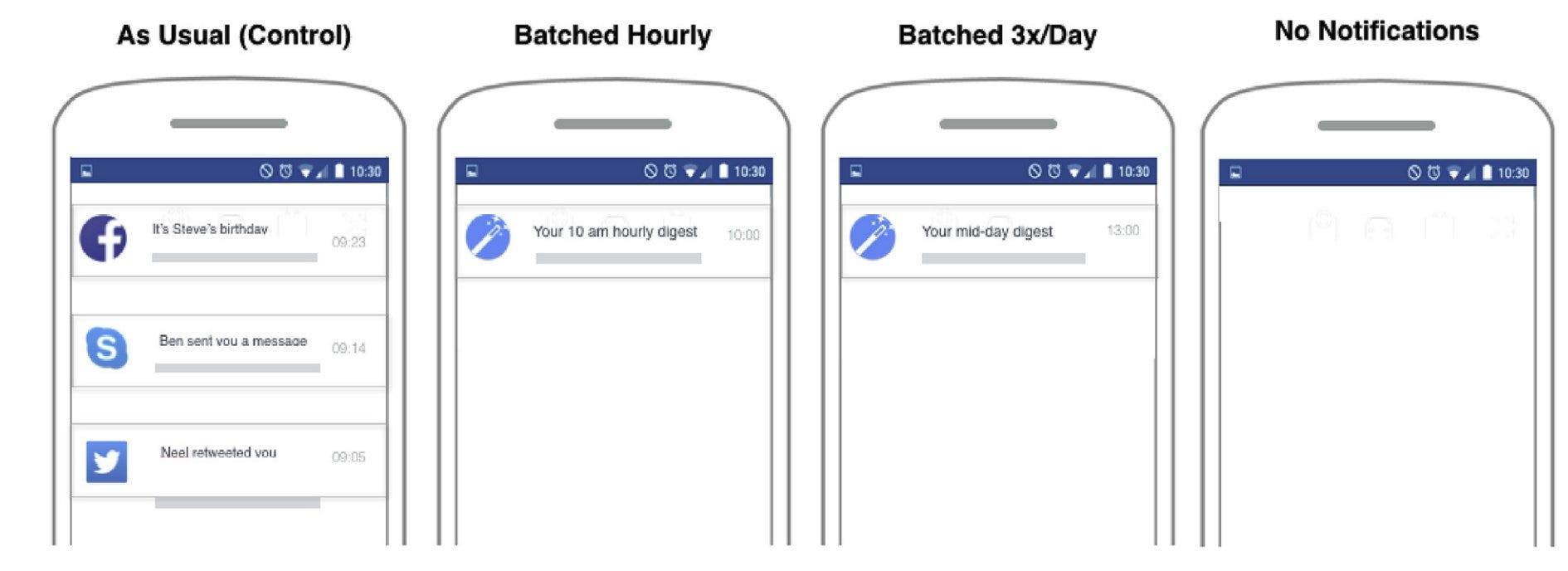
A study compared four different groups: notifications as usual, batched hourly, batched three times a day, or no notifications.
Batching phone notifications to 3x/day improved people's mood, productivity, and focus.
Another study compared checking emails three times a day versus an unlimited number of times a day led to a significant reduction in stress.
A key thing here is that absolutely cutting out notifications actually increased people's anxiety, probably from a fear of missing something important. So make sure you time intervals appropriately.
Protocol:
Schedule your notifications to arrive just three times per day instead of allowing constant interruptions on your phone or computer.
While this may initially trigger fear of missing out, you'll actually become more productive and experience greater well-being. When you stop responding to notifications immediately, people naturally adjust their expectations and stop demanding unreasonably quick responses from you.
4. Checklists & Templates: Standardize steps and cut errors (-36% in a surgical trial)
We all make mistakes, even in high-stakes professions like medicine where precision is everything. Doctors, pilots, and engineers (people trained to be meticulous) still overlook details under pressure. That's where checklists come in: they're not a crutch for the lazy; they're a proven tool for reducing errors and saving time by standardizing repeatable processes.
I learned this firsthand during chaotic shifts when I'd forget key steps in patient handoffs or documentation. Implementing simple checklists turned potential oversights into automatic habits, freeing up mental energy for more complex decisions.
The Science: Checklists work because they offload cognitive load from your working memory, which is limited and prone to fatigue. A landmark study by the World Health Organization (WHO) implemented a simple surgical safety checklist across eight hospitals worldwide, dramatically cutting errors without adding extra time.
Results:
Major complications: Reduced from 11.0% to 7.0% (a 36% drop)
Mortality: Reduced from 1.5% to 0.8% (a 47% reduction)
This isn't just for operating rooms. Similar principles have been applied in aviation (e.g., pre-flight checklists) and business (e.g., project templates boosting efficiency).
Protocol: If you've done a task twice, turn it into a checklist or template. Keep it to one page (or a single screen) for quick reference. Use bullet points for steps, and include checkboxes for accountability.
How to Get Started:
Identify repeatable tasks: Things you do daily or weekly, like writing reports, responding to emails, packing for travel, or prepping meetings.
Build the checklist: List steps in order, starting with essentials. For example:
Admission notes (medical): Patient history, vital signs, diagnosis, plan.
Weekly reports (general): Key metrics, achievements, challenges, next steps.
Common email responses: Greeting, main points, call to action, sign-off.
Customize and iterate: Test it once, then refine based on what you missed.
Spending 10 minutes creating a good template upfront can save you hours over time. For instance, I templated my patient discharge summaries such that I would fill in structured information each day they were in hospital, turning a 30-minute scramble into a 10-minute fill-in-the-blanks. For other people, this could mean a grocery list-like template that prevents forgotten items and mid-week trips.
The payoff? Fewer errors mean less time fixing mistakes, and standardization builds speed through repetition. Whether you're a doctor charting patients or an engineer designing systems, checklists ensure consistency without reinventing the wheel every time.
5. 10-20 Minutes of Movement: Sharpen thinking and dial down stress before deep work
The worst way to think of exercise is as a waste of time, because it actually speeds up your productivity and substantially improves your health. A quick 10-20 minute movement session (whether a brisk walk, a bike ride, or a few jumping jacks) doesn’t just energize your body; it supercharges your brain, helping you work faster and think clearer. Beyond the immediate mental boost, regular exercise builds long-term health benefits, from stronger cardiovascular function to lower stress and better sleep, making it a cornerstone for anyone juggling demanding schedules.

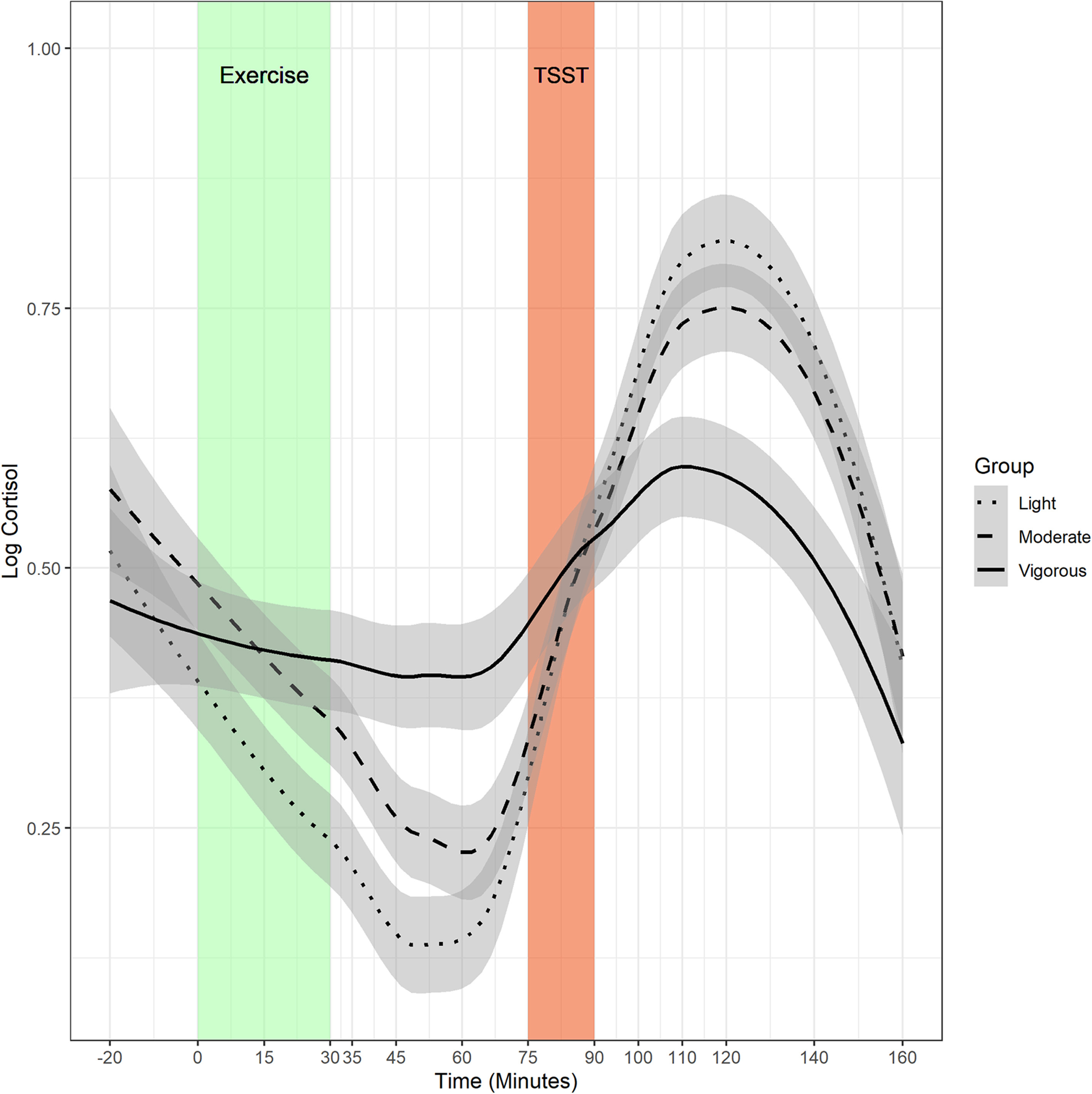
I cover a lot of the details in the above post, but exercise benefits overall cognitive function, memory and executive skills in everyone. It is also a great way to reduce stress, and if done before something stressful, actually blunts your cortisol spike, helping you stay calmer, sharper, and more in control.
Protocol:
Duration: 10-20 minutes of light-to-moderate aerobic activity (heart rate 50-70% of max) ideally every day.
Options: Brisk walk, stair climbing, stationary bike, or bodyweight circuit (e.g., jumping jacks, push ups, squats).
When to use: Ideally every day. But specifically beneficial before tackling deep work, when feeling mentally foggy, or prepping for high-stakes tasks like meetings or deadlines.
6. Walk While You Work: Burn extra calories and prevent back pain while maximizing focus
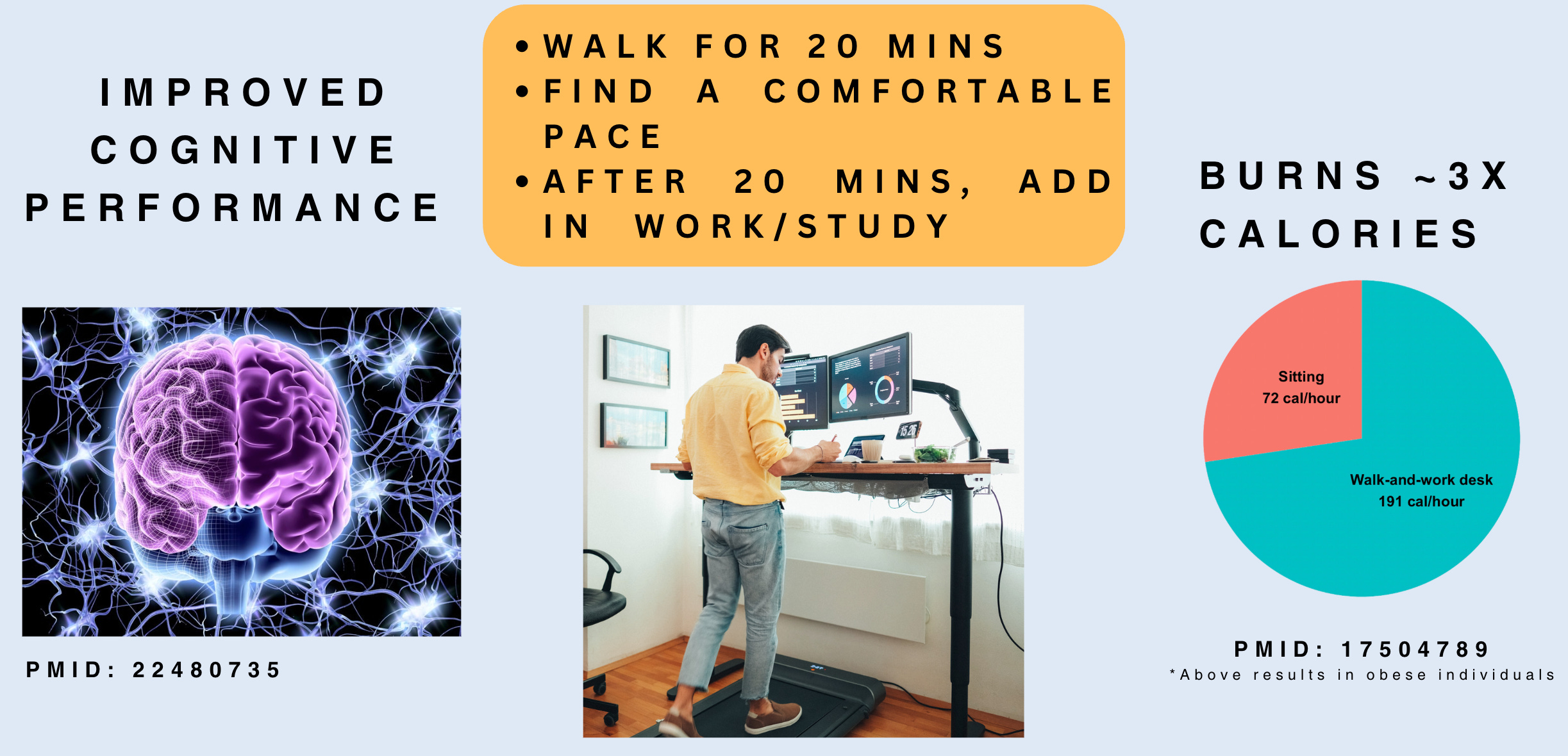
My walking desk changed my life. Walking at a gentle 1-2 mph became my secret weapon, burning extra calories effortlessly, sharpening my cognitive edge, and completely eliminating the chronic back pain I'd developed from hours of slouching at a desk.
You’ve probably heard that “sitting is the new smoking.” This is because studies have linked sitting >6 h per day to 34% higher all-cause mortality in women and 17% higher in men versus <3 h/day (even after accounting for exercise). And the worst combo—lots of sitting plus low activity—is associated with a 94% higher risk in women and 48% higher in men compared with people who sit little and move a lot. In other words, a walking desk turns long sedentary blocks into light-intensity movement, which is exactly the behavior pattern tied to lower cardiovascular and overall mortality risk in these data.
On the cognitive front, a 2024 Mayo Clinic RCT found that active workstations (standing, walking ~1.5 mph, or stepping) maintained or improved reasoning and other neurocognitive scores versus sitting. The trade-off is small: typing speed dipped modestly while errors were unchanged.
A meta-analysis on the effects of exercise on cognitive performance identified that working during exercise benefits cognitive performance in select circumstances: after 20 minutes of being warmed up in those who are already fit at baseline. So if this isn’t you, then save more simple task work for the treadmill desk.
Protocol:
1. Speed:
Target 1–2 mph (gentle pace)
This speed balances energy expenditure and movement with stability for desk tasks
2. Duration & progression:
Start with 20 min sessions (easy adoption, less fatigue)
Build gradually toward 30-90 min/day, broken into 1-3 sessions
3. Task pairing:
Best suited for:
Calls (phone or video)
Reading (articles, reports, email review)
Sorting email, admin, brainstorming, or meetings
Pause for:
Intensive typing or data entry
High cognitive load tasks (coding, complex decision making, analytics)
4. Cognitive strategy:
Use walking desk for low-to-moderate cognitive load tasks.
Save high-precision or creative deep work for sitting/standing periods.
For cognitive benefit, aim for ≥20 min warm-up before expecting sharper focus.
7. Time-Restricted Eating: Cut food decisions and sync with your body’s clock
For my busy lifestyle, eating in a shorter daily window to save time and improve my health was a no-brainer. An early 6 a.m.-2 p.m. or 8–10-hour window collapses food into two real meals instead of constant grazing, which means fewer decisions, fewer breaks, and fewer prepared meals. No cafeteria lines, no vending-machine detours, no “what should I eat?” spiral. Just a simple rhythm you can plan once and run all week. It saves time, protects focus, and—because earlier meals align better with your body clock—often feels steadier energy-wise across the day.

Time-restricted eating (TRE) has numerous benefits. It generally yields weight loss comparable to standard calorie restriction; however, earlier eating windows (morning to early afternoon) can produce even greater weight loss. Early TRE has also been shown to improve insulin sensitivity and lower blood pressure even without weight loss in some at-risk groups, and trials in metabolic syndrome report improvements in glycemic control. A likely reason early TRE can help: it aligns meals with circadian biology, when glucose tolerance and insulin sensitivity are typically better earlier in the day.

The Compound Effect of Strategic Efficiency
Looking back, what saved my residency wasn't superhuman endurance, it was recognizing that time is non-renewable and cognitive capacity is finite. These seven protocols didn't just help me survive brutal rotations; they fundamentally changed how I approach work and life.
But the real transformation isn't in the hours saved; it's in what those hours enable. When you're not constantly drowning, you can actually think strategically. You can invest in relationships instead of just maintaining them. You can exercise consistently instead of sporadically. You can sleep instead of working.
The hierarchy of implementation:
If you're overwhelmed, start here:
Batch notifications to 3x daily (immediate stress reduction, zero learning curve)
Exercise every day (it doesnt have to be much, just a few minutes)
Single-task for one hour daily
Try dictating your emails
Once stable, add: 5. Template one repeated workflow weekly (compounds forever) 6. Walking desk (health benefits without time cost) 7. Time-restricted eating (fewer decisions, better circadian alignment)
The research is clear and these protocols worked wonders for me. The only question now is whether you'll keep grinding harder or start working smarter.
Disclaimer: This newsletter is for educational purposes only. It is not personal medical advice. Opinions are my own. Always consult your own health-care provider for medical guidance.