
The Neuroscience of Learning: 8 Evidence-Based Study Protocols
Research-backed methods for learning more in less time


My sister just started college and asked me for study advice. Looking back at how I survived undergrad, medical school, and a residency while maintaining some semblance of a life, I realized I'd become somewhat obsessed with the science of learning. During those 100-hour weeks, efficiency wasn't just helpful—it was survival.
I dove deep into the literature on memory, cognition, and performance optimization. What I found changed how I approach learning entirely. These aren't productivity hacks or motivational platitudes. They're evidence-based protocols that let me learn more in less time, leaving room for the things that actually matter.
Here's what the science says actually works:
1. Stop Rereading—Start Testing
The single most powerful change you can make: test yourself instead of rereading your notes.
A landmark study with 120 college students found that those who tested themselves (without any feedback) retained 21% more information after one week compared to those who just reread their notes four times. The gap widened over time—the testing group forgot only 14% of material versus 52% in the study-only group.
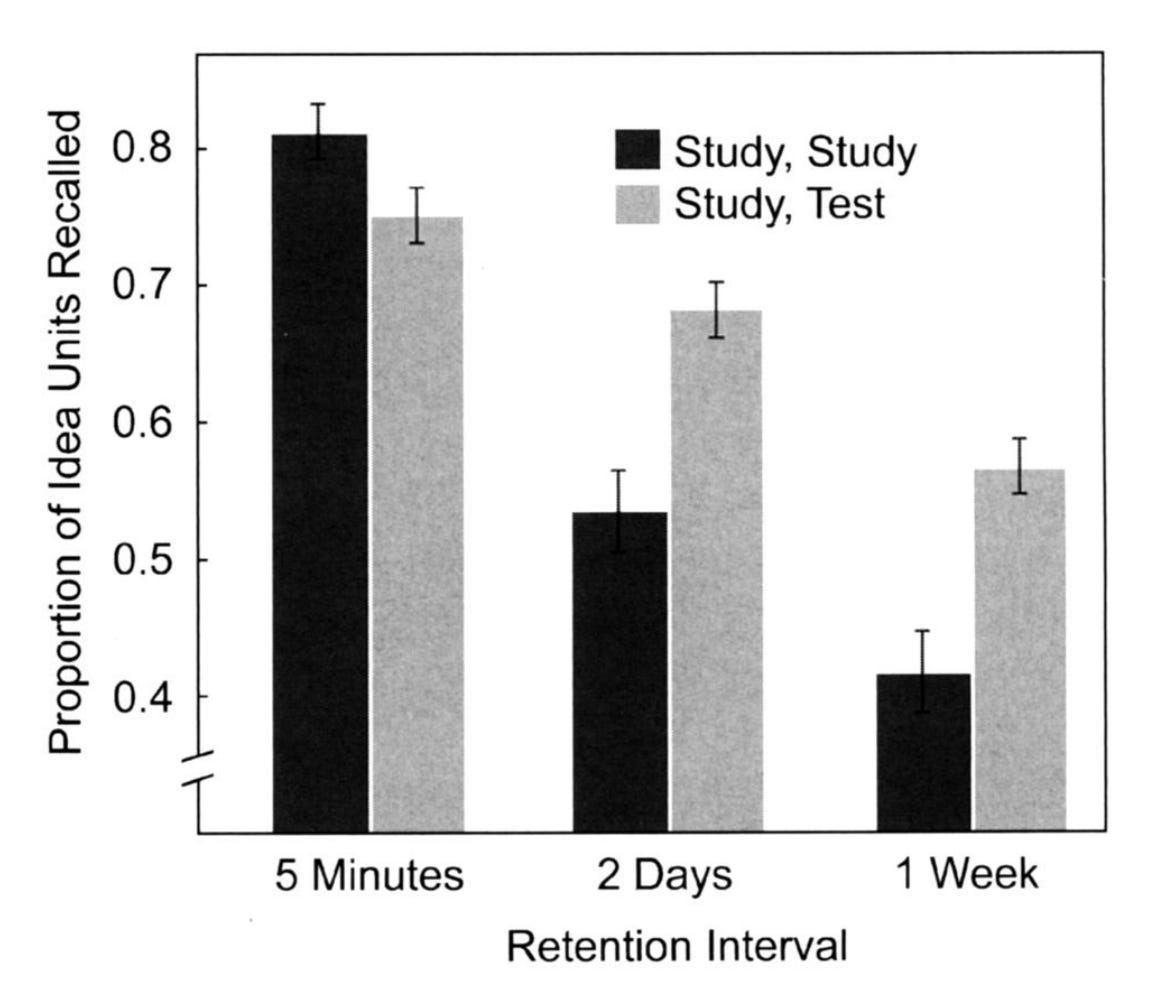
Here's why this matters: retrieval practice—the act of pulling information from memory—strengthens neural pathways far more effectively than passive review. Your brain treats testing as a survival-relevant task, encoding the information more deeply.
Protocol: After studying material once, test yourself. The first thing I do whenever I start a new topic is invest in a good question bank and start making flashcards. AI is now getting to the point where it is very useful to input a huge deck of slides and make helpful practice questions. I also use tools like Anki for spaced repetition. The goal is to constantly challenge yourself. The discomfort of not knowing is where learning happens.
2. Watch Everything at 2x Speed (Yes, Really)
I probably shouldn’t admit this, but in university and medical school I skipped the vast majority of lectures that were recorded and watched them later at 1.5-2x speed. Turns out, the research backs this up.
A study of 231 undergraduates found no significant difference in retention between watching videos at 1x versus 2x speed—both immediately and one week later. The threshold appears to be 2.5x, where comprehension finally drops.
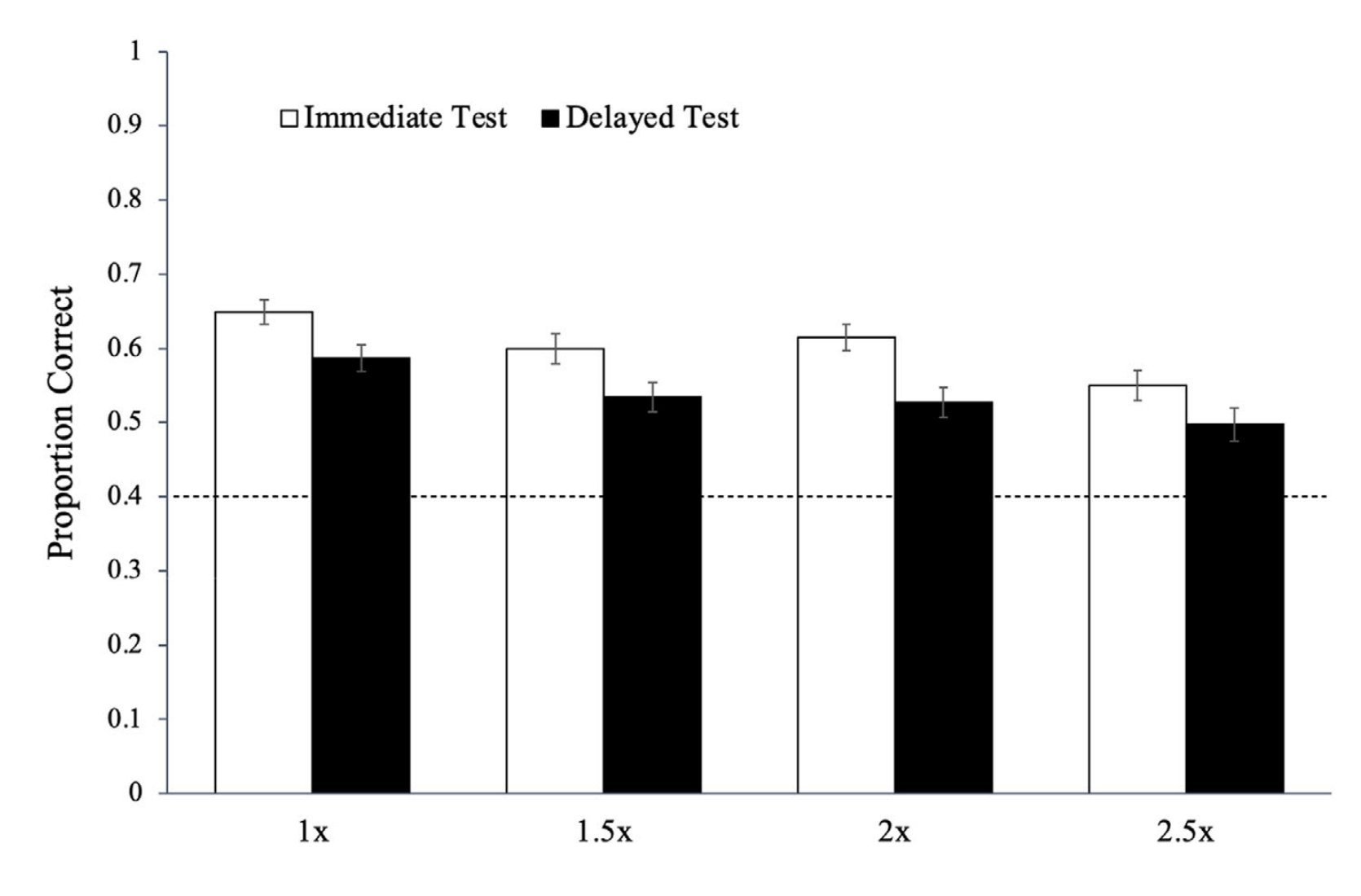
But here's where it gets interesting: watching a video twice at 2x speed (spaced a week apart) actually improved retention compared to watching once at normal speed—in the same total time investment.
Protocol for maximum retention: Watch lectures once at 1.5-2x speed, then again at 2x a week or so later after testing yourself. Same time commitment as watching once at 1x, but better comprehension.
Keep reading with a 7-day free trial
Subscribe to Brandon Luu MD to keep reading this post and get 7 days of free access to the full post archives.